About the Festival
Important Bohra Muslim pilgrimage and religious gathering held at the shrine of Saint Fakhruddin.
Key Highlights
Activities to Do
Accessibility Information
History & Heritage
The Galiyakot Urs is an extraordinary celebration deeply embedded in the cultural and historical fabric of Dungarpur. Celebrated annually during Muharram, Alwar Festival represents the essence of Rajasthan's vibrant heritage. As described historically, it is a time when the local communities come together, transforming the arid landscape into a canvas of color, devotion, and artistic expression. The festival not only honors ancient traditions but also serves as a crucial social gathering that has sustained the local agrarian and cultural economy for centuries.
Historically, the origins of this grand event can be traced back to the medieval era of Rajputana. The rulers of Dungarpur were great patrons of arts, culture, and religious festivities, utilizing such grand gatherings to foster unity and demonstrate royal benevolence. Over the decades, what might have started as a modest local or religious observance blossomed into a massive spectacle. Important Bohra Muslim pilgrimage and religious gathering held at the shrine of Saint Fakhruddin.
Cultural Heritage and Traditions
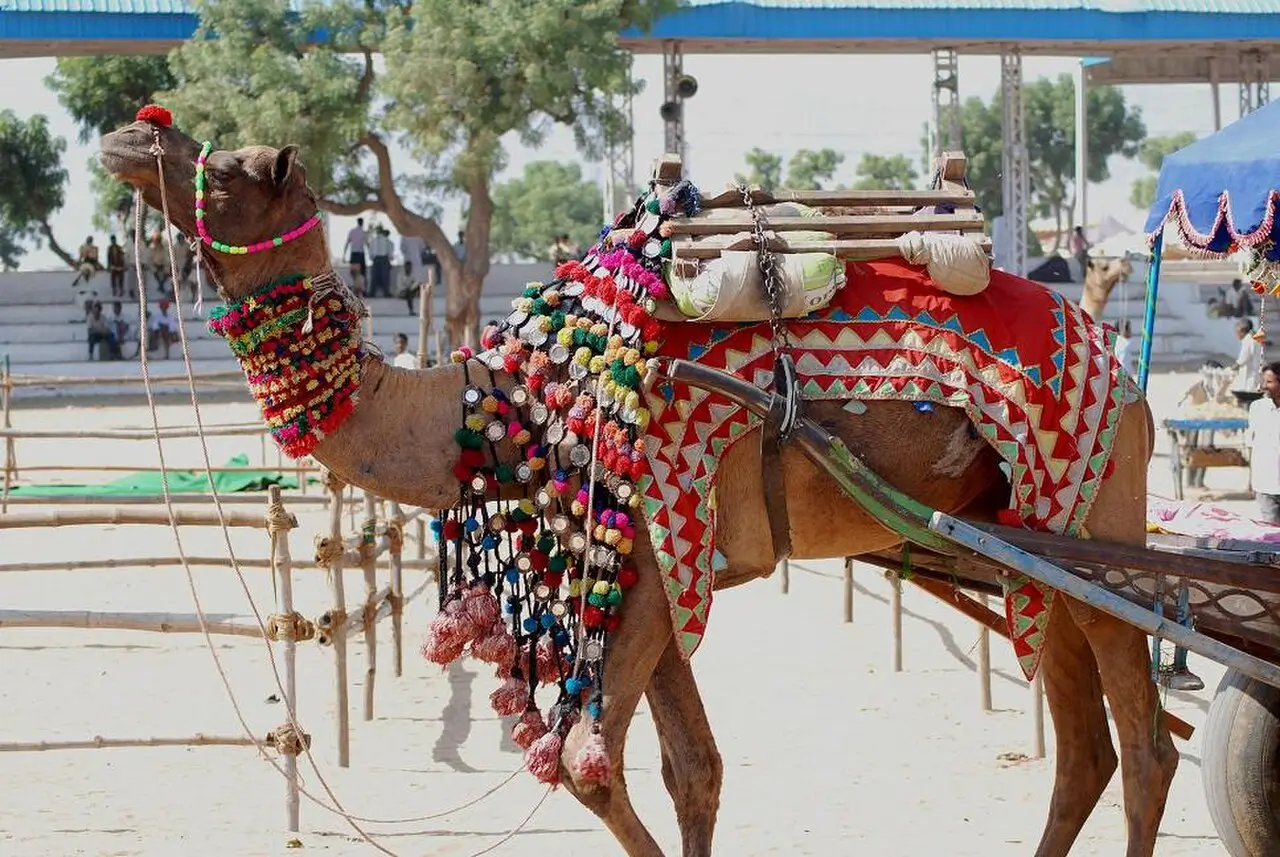
At the heart of the Galiyakot Urs are the timeless rituals and traditions that have been meticulously preserved by the people of Dungarpur. The festival is characterized by magnificent processions, traditional folk music echoing through the ancient streets, and locals dressed in heavily embroidered, vibrantly colored traditional attire. Artisans and performers from surrounding villages historically traveled great distances to participate, turning the event into a vital lifeline for preserving indigenous music, dance, and craft forms that might otherwise fade into obscurity.
The spiritual and communal aspects of the festival cannot be overstated. Beyond the visual spectacle, it is a period of deep devotion, fasting, and feasting. Traditional culinary delights specific to Dungarpur are prepared in massive quantities, recipes for which have been passed down through generations. These culinary traditions were historically designed not just for celebration, but to fortify the body during seasonal transitions, perfectly aligning with the ancient Ayurvedic principles prevalent in Rajasthan.
A Living Museum of Rajasthan
Today, the Galiyakot Urs stands as a living, breathing museum of the incredible state of Rajasthan. It perfectly bridges the gap between ancient historical reverence and modern cultural tourism. For travelers and historians alike, witnessing Alwar Festival in Dungarpur offers an unparalleled window into the soul of India's most vibrant state, proving that while empires may rise and fall, the enduring spirit and joyous celebrations of its people remain eternal.
Frequently Asked Questions
Where is the Galiyakot Urs held?▼
It is held annually in Dungarpur, Rajasthan.
How long does the Galiyakot Urs last?▼
The festival takes place over a period of 3 Days.
Do we need tickets to attend Galiyakot Urs?▼
Most public events and cultural performances hosted by Rajasthan Tourism are free for all visitors, though some special tours/activities may charge fees.
Where is Galiyakot Urs held?▼
Galiyakot Urs is held annually in Rajasthan. It is one of the most celebrated cultural events in the region.
How long does Galiyakot Urs last?▼
Galiyakot Urs is celebrated over a period of 3 Days. The festival is packed with cultural events, competitions, and performances throughout.
When is Galiyakot Urs celebrated?▼
Galiyakot Urs is typically celebrated in winter every year. The exact dates follow the Hindu lunar calendar and may shift by a few days annually. Check the official Rajasthan Tourism website for precise upcoming dates.
What are the main highlights of Galiyakot Urs?▼
Galiyakot Urs is known for its spectacular cultural performances, traditional folk music, dance, local sports competitions, and a vibrant display of Rajasthani heritage. The festive atmosphere draws thousands of visitors from across India and the world.
Is Galiyakot Urs suitable for families with children?▼
Yes, Galiyakot Urs is a family-friendly event and is thoroughly enjoyable for visitors of all ages. Children particularly enjoy the colorful performances, folk arts, and interactive cultural experiences.
What should I wear to attend Galiyakot Urs?▼
It is recommended to wear comfortable, traditional or semi-traditional Indian attire while attending Galiyakot Urs. Since the festival is a public gathering in open areas, carry a light wrap or shawl for cool evening weather.
How should I reach Rajasthan for Galiyakot Urs?▼
Rajasthan is well connected by trains, buses, and flights from major cities. During the festival period, the Rajasthan Tourism department often organizes special transport services. It is advisable to book your travel and accommodation well in advance.
Are there accommodation options available near Galiyakot Urs?▼
Rajasthan offers a wide range of accommodation options during Galiyakot Urs, from government-run tourist bungalows to luxury heritage hotels and desert camps. Book early, as accommodation fills up quickly during the festival season.
Can foreign tourists attend Galiyakot Urs?▼
Absolutely! Foreign tourists are warmly welcomed at Galiyakot Urs. The festival is a fantastic opportunity to experience authentic Rajasthani culture. Many tourists also participate in folk competitions like turban-tying, which are organized especially for visitors.
Discover More Magic
Explore other magnificent festivals and cultural celebrations across the royal land of Rajasthan.