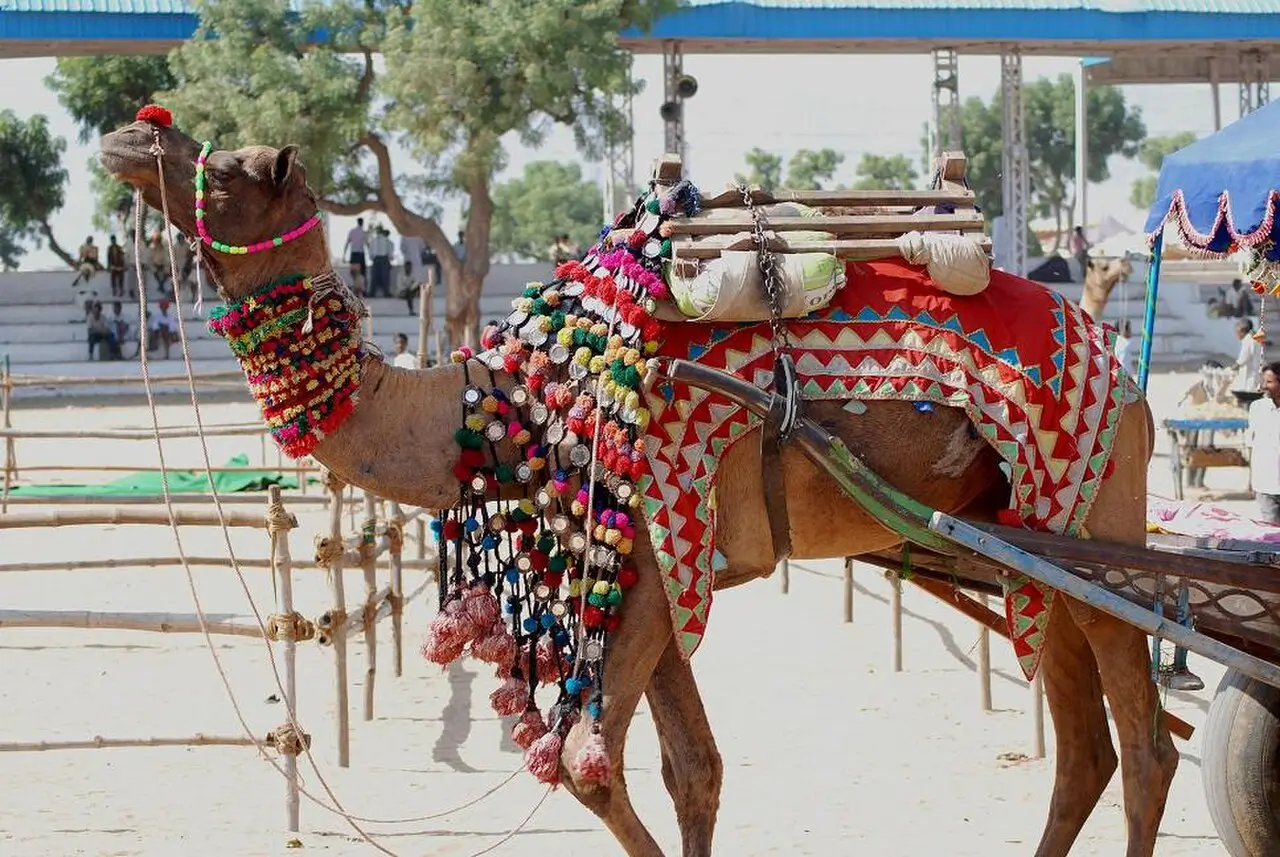
About the Festival
World-famous camel and livestock fair featuring cultural performances, competitions, camel trading and desert adventures.
Key Highlights
Activities to Do
Accessibility Information
History & Heritage
The Pushkar Camel Fair, locally known as the Pushkar Mela, traces its origins back centuries, deeply entwined with the mythic folklore and spiritual essence of Rajasthan. According to Hindu mythology, Lord Brahma, the creator of the universe, dropped a lotus flower (pushpa) from his hand, and it fell to the earth, creating the holy Pushkar Lake. Because of this divine intervention, Pushkar became one of the most sacred pilgrimage sites in India, and the fair was originally conceived as a massive religious gathering to honor Lord Brahma during the auspicious full moon of Kartik Purnima.
Historically, while pilgrims flocked to the holy lake to wash away their sins, the vast gathering provided an unprecedented opportunity for local nomadic tribes, farmers, and traders across the Thar Desert to exchange goods. Over the centuries, this organic congregation evolved into a colossal livestock and agricultural market. The sheer geographical isolation of these desert communities meant that this annual fair was often the only time families could trade cattle, camels, and horses, arrange marriages, and celebrate the end of the harvest season.
The Golden Era of Desert Trading
During the medieval era, under the patronage of the Rajput rulers, the Pushkar Fair reached its zenith as a trading hub. Caravans traveling along the ancient Silk Route would often take detours to participate in the Mela. It wasn't just camels; magnificent Marwari horses, renowned for their inward-turning ear tips and incredible stamina, were brought here by the Rajput nobility for display and sale. The fairgrounds became a sprawling canvas of vibrant turbans, heavily embroidered textiles, and the rhythmic ringing of camel bells.
The trading itself is steeped in tradition and nuance. Even today, you can witness the age-old practice of secret bargaining, where buyers and sellers negotiate prices under a cloth using complex hand signals, keeping the final price hidden from prying eyes. This tradition has survived modernization and remains a testament to the enduring mercantile spirit of the desert people.
Cultural Evolution and Global Fame
As India entered the modern era, the Pushkar Fair began to transform. While the initial days of the fair remain heavily focused on livestock trading—with over 50,000 camels, horses, and cattle brought to the dunes—the latter half slowly morphs into a vibrant cultural extravaganza. The Rajasthan Tourism department recognized the immense cultural value of the event and began integrating structured competitions, folk music performances, and rural sports to attract a global audience.
Today, the fair is renowned worldwide not just for the sheer spectacle of tens of thousands of camels gathered in the undulating dunes, but for its bizarre and beautiful competitions. The 'Matka Phod', 'Longest Moustache', and 'Bridal Competition' have become internationally recognized events, drawing photographers, documentary filmmakers, and cultural enthusiasts from every corner of the globe.
Spiritual Significance
Despite its commercial and touristic success, the soul of the Pushkar Fair remains deeply spiritual. As the fair culminates on the night of Kartik Purnima (the full moon), the focus shifts entirely from the dunes to the ghats of the Pushkar Lake. Hundreds of thousands of devotees take a holy dip in the sacred waters, believing it will cleanse their souls and ensure salvation. The evening Maha Aarti, with thousands of earthen lamps (diyas) floating on the serene waters of the lake while the chanting of Vedic hymns fills the air, provides a stark, mesmerizing contrast to the chaotic energy of the camel trading.
The Pushkar Camel Fair is not merely an event; it is a living, breathing museum of Rajasthani culture. It is a place where the ancient and the modern collide, where spirituality meets commerce, and where the vibrant colors of Rajasthan shine brightest against the golden sands of the Thar Desert.
Frequently Asked Questions
Where is the Pushkar Camel Fair held?▼
It is held annually in Pushkar, Rajasthan.
How long does the Pushkar Camel Fair last?▼
The festival takes place over a period of 5 Days.
Do we need tickets to attend Pushkar Camel Fair?▼
Most public events and cultural performances hosted by Rajasthan Tourism are free for all visitors, though some special tours/activities may charge fees.
Where is Pushkar Camel Fair held?▼
Pushkar Camel Fair is held annually in Rajasthan. It is one of the most celebrated cultural events in the region.
How long does Pushkar Camel Fair last?▼
Pushkar Camel Fair is celebrated over a period of 3 Days. The festival is packed with cultural events, competitions, and performances throughout.
When is Pushkar Camel Fair celebrated?▼
Pushkar Camel Fair is typically celebrated in winter every year. The exact dates follow the Hindu lunar calendar and may shift by a few days annually. Check the official Rajasthan Tourism website for precise upcoming dates.
What are the main highlights of Pushkar Camel Fair?▼
Pushkar Camel Fair is known for its spectacular cultural performances, traditional folk music, dance, local sports competitions, and a vibrant display of Rajasthani heritage. The festive atmosphere draws thousands of visitors from across India and the world.
Is Pushkar Camel Fair suitable for families with children?▼
Yes, Pushkar Camel Fair is a family-friendly event and is thoroughly enjoyable for visitors of all ages. Children particularly enjoy the colorful performances, folk arts, and interactive cultural experiences.
What should I wear to attend Pushkar Camel Fair?▼
It is recommended to wear comfortable, traditional or semi-traditional Indian attire while attending Pushkar Camel Fair. Since the festival is a public gathering in open areas, carry a light wrap or shawl for cool evening weather.
How should I reach Rajasthan for Pushkar Camel Fair?▼
Rajasthan is well connected by trains, buses, and flights from major cities. During the festival period, the Rajasthan Tourism department often organizes special transport services. It is advisable to book your travel and accommodation well in advance.
Are there accommodation options available near Pushkar Camel Fair?▼
Rajasthan offers a wide range of accommodation options during Pushkar Camel Fair, from government-run tourist bungalows to luxury heritage hotels and desert camps. Book early, as accommodation fills up quickly during the festival season.
Can foreign tourists attend Pushkar Camel Fair?▼
Absolutely! Foreign tourists are warmly welcomed at Pushkar Camel Fair. The festival is a fantastic opportunity to experience authentic Rajasthani culture. Many tourists also participate in folk competitions like turban-tying, which are organized especially for visitors.
Discover More Magic
Explore other magnificent festivals and cultural celebrations across the royal land of Rajasthan.


